Acute Kidney Injury
Acute Kidney Injury (AKI) is a sudden decline in kidney function that develops over hours to days. It causes the kidneys to lose their ability to filter waste, maintain fluid balance, and regulate essential minerals. AKI can occur due to dehydration, infections, medications, or serious illnesses. Early detection and prompt treatment play a crucial role in reversing kidney damage and preventing long-term complications. We focus on timely evaluation, monitoring, and tailored treatment to support quick recovery and protect overall health.
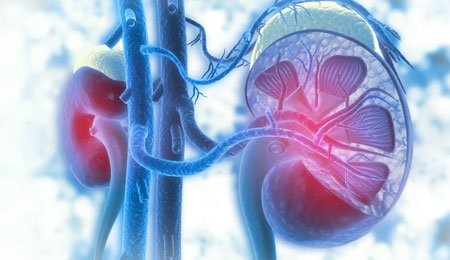
Common Causes of Acute Kidney Injury
AKI can occur for a variety of reasons. Some causes are easily reversible, while others require urgent medical management. Common causes include:
- Dehydration: Severe vomiting, diarrhea, fever, or inadequate fluid intake.
- Infections: Severe infections or sepsis affecting blood flow to the kidneys.
- Medications: Painkillers, antibiotics, contrast dyes, or herbal supplements.
- Low blood pressure: Surgery, bleeding, or heart failure reducing kidney blood flow.
- Urinary obstruction: Kidney stones, prostate enlargement, or tumors blocking urine flow.
- Underlying health conditions: Diabetes, hypertension, or autoimmune diseases.
Symptoms Patients May Notice
Symptoms may appear suddenly or worsen rapidly. Patients should watch for the following warning signs:
- Sudden drop in urine output
- Swelling in feet, legs, or around the eyes
- Nausea, vomiting, or loss of appetite
- Breathlessness or fluid buildup
- Fatigue or confusion
- High blood pressure
These symptoms require immediate attention, as AKI can progress quickly without timely treatment.
How We Evaluate Acute Kidney Injury
A detailed and rapid evaluation helps determine the cause of AKI and guides appropriate treatment. Our assessment typically includes:
- Blood tests to measure kidney function, infection markers, and electrolytes
- Urine tests to check for protein, infection, or abnormal findings
- Ultrasound of kidneys to detect obstruction or structural changes
- Fluid status assessment to determine dehydration or overload
- Medication review to identify harmful drugs
- Blood pressure monitoring to evaluate its impact on kidney function
When You Should Seek Immediate Medical Care
Early treatment can prevent permanent damage. You should visit a nephrologist urgently if:
- You notice a sudden drop in urination
- There is swelling, shortness of breath, or unexplained fatigue
- Blood or urine reports show rising creatinine levels
- You have a severe infection or low blood pressure
- You recently started new medications that may affect the kidneys
Acute Kidney Injury is a medical emergency. With timely diagnosis, appropriate treatment, and close monitoring, we aim to restore kidney function, avoid complications, and support a smooth recovery.
