Rise in Serum Creatinine
A rise in serum creatinine is one of the most important signals that the kidneys may not be functioning normally. Creatinine is a waste product produced by muscles, and healthy kidneys remove it from the blood. When the kidneys become stressed, injured, or weakened, creatinine levels begin to rise. We approach every increase in creatinine with careful evaluation, as early diagnosis can prevent long-term kidney damage and ensure patients receive timely, effective treatment.
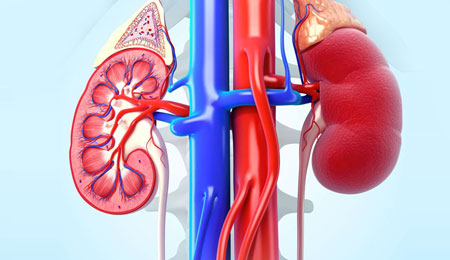
Why Creatinine Levels Rise
A rise in creatinine can occur due to many reasons. Some are temporary and easily reversible, while others may indicate underlying kidney disease. The most common causes include:
- Dehydration: Not drinking enough water or losing fluids due to vomiting, diarrhea, or fever.
- Medications: Painkillers, certain antibiotics, and some supplements may reduce kidney filtration temporarily.
- Acute Kidney Injury (AKI): A sudden decline in kidney function due to infection, low blood pressure, or severe illness.
- Chronic Kidney Disease (CKD): Long-standing conditions like diabetes, hypertension, or repeated kidney infections.
- High Protein Intake or Exercise: Intense workouts or protein-rich diets can mildly elevate creatinine.
- Obstruction: Kidney stones, enlarged prostate, or urinary blockage preventing normal urine flow.
Symptoms Patients May Notice
Many patients may not experience symptoms in the early stages. However, as creatinine rises, the following signs may appear:
- Tiredness or lack of energy
- Swelling in legs, feet, or around the eyes
- Decreased urine output
- Nausea, vomiting, or poor appetite
- Breathlessness (in advanced cases)
- Confusion or difficulty concentrating
These symptoms require prompt medical attention, especially if they appear suddenly.
How We Evaluate a Rise in Creatinine
A thorough and systematic approach helps us identify the exact cause. Evaluation typically includes:
- Detailed medical history and physical examination
- Blood tests to check kidney function, electrolytes, and infection markers
- Urine tests to look for protein, infection, or abnormalities
- Ultrasound or imaging to detect blockage or changes in kidney structure
- Medication review to identify drugs that may affect kidney health
- Assessment of hydration levels and blood pressure
This step-by-step evaluation helps determine whether the rise is temporary or due to a more serious underlying problem.
When You Should Consult a Nephrologist
We recommend seeing a kidney specialist if:
- Creatinine is rising on repeated testing
- Creatinine is above the normal range
- You experience swelling, reduced urine, or persistent tiredness
- You have diabetes, high blood pressure, or heart disease
- You regularly use painkillers or other high-risk medications
A rise in serum creatinine should never be ignored. With a structured evaluation and timely treatment, we ensures that patients receive accurate diagnosis, compassionate guidance, and comprehensive kidney care to safeguard long-term health.
