Hemodialysis
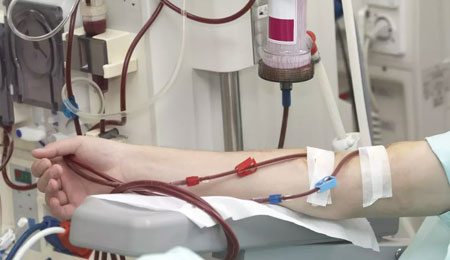
Hemodialysis is a life-saving treatment for patients whose kidneys are unable to filter waste and excess fluids effectively. This therapy uses a specialized machine to clean the blood, help balance electrolytes, and maintain overall health. Hemodialysis can be required temporarily in cases of acute kidney injury or on a long-term basis for advanced stages of chronic kidney disease. We aim to provide safe, comfortable, and personalized dialysis care to ensure patients maintain a better quality of life.
Why Hemodialysis is Needed
Hemodialysis becomes necessary when kidney function drops significantly and the body can no longer remove toxins on its own. Common reasons include:
- End-Stage Kidney Disease (ESKD): Severe decline in kidney function due to diabetes, hypertension, or other kidney disorders.
- Acute Kidney Injury (AKI): Sudden kidney failure requiring temporary dialysis support.
- Severe fluid overload: When medications and diet changes fail to control swelling or breathlessness.
- Dangerous electrolyte imbalance: High potassium or metabolic acidosis requiring urgent correction.
- Toxin or drug overdose: Dialysis helps remove certain harmful substances from the bloodstream.
How Hemodialysis Works
Hemodialysis involves passing blood through a dialyzer (artificial kidney) to remove waste products. This process is performed through a vascular access such as an AV fistula, graft, or temporary catheter. A typical dialysis session lasts about 3–4 hours and is usually done 2–3 times a week, depending on medical needs.
Benefits Patients May Experience
Many patients feel better once dialysis starts. Benefits include:
- Improved energy levels and reduced fatigue
- Better control of swelling and fluid overload
- Relief from nausea, vomiting, and poor appetite
- Stabilized blood pressure and electrolytes
- Enhanced overall well-being and daily functioning
Preparing for Hemodialysis
Before starting long-term dialysis, a vascular access is created to ensure safe and effective treatment. This includes:
- AV Fistula: The preferred method, connecting an artery and vein in the arm.
- AV Graft: Used when veins are not suitable for a fistula.
- Dialysis Catheter: A temporary option placed in the neck or chest for immediate dialysis.
During the Dialysis Session
Patients are monitored closely throughout the procedure for safety and comfort. Routine checks include:
- Blood pressure before, during, and after dialysis
- Fluid removal settings based on individual requirements
- Regular assessment of vascular access
- Monitoring for cramps, low blood pressure, or discomfort
When You Should Inform Your Dialysis Team
Patients should notify their care team immediately if they experience:
- Sudden shortness of breath or chest discomfort
- Swelling in the arm with the AV fistula
- Bleeding or infection near the access site
- Severe cramps, dizziness, or weakness
- Unusual drop in blood pressure during or after dialysis
Hemodialysis is an essential treatment that helps replace crucial kidney functions. With expert care, regular monitoring, and patient education, we aim to make dialysis sessions safe, effective, and as comfortable as possible.
