Chronic Kidney Disease
Chronic Kidney Disease (CKD) is a long-term condition in which the kidneys gradually lose their ability to filter waste, balance electrolytes, and maintain overall body health. This decline usually happens over months to years and often progresses silently in the early stages. With timely diagnosis, lifestyle changes, and proper medical management, CKD progression can be significantly slowed. We focus on early detection, personalized treatment, and long-term kidney protection to help patients maintain a healthier and more active life.
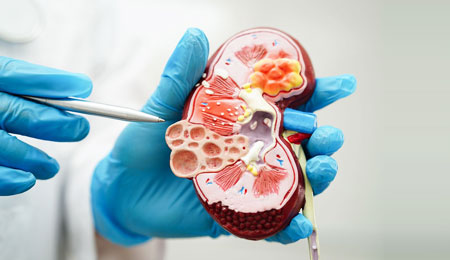
Common Causes of Chronic Kidney Disease
CKD can develop due to various underlying conditions. Understanding the cause helps plan appropriate treatment. Major causes include:
- Diabetes: The most common cause leading to gradual kidney damage.
- High blood pressure: Long-standing hypertension affects kidney blood vessels.
- Glomerulonephritis: Autoimmune or inflammatory kidney diseases.
- Polycystic kidney disease: A genetic condition causing cyst formation.
- Recurrent kidney infections: Chronic infections damaging kidney tissues.
- Prolonged use of painkillers: NSAIDs and certain medications can harm kidneys.
Symptoms Patients May Notice
CKD often shows no symptoms in early stages. As kidney function declines, patients may experience:
- Swelling in legs, feet, or around the eyes
- Fatigue or reduced stamina
- Loss of appetite, nausea, or vomiting
- Changes in urination pattern
- Uncontrolled blood pressure
- Muscle cramps or imbalance in electrolytes
These symptoms may progress gradually. Early recognition helps prevent complications.
How We Evaluate Chronic Kidney Disease
A detailed assessment helps determine the stage of CKD and tailor treatment. Our evaluation includes:
- Blood tests to measure kidney function, hemoglobin, and electrolytes
- Urine tests to assess protein leakage or other abnormalities
- Ultrasound of kidneys to check kidney size, obstruction, or structural issues
- Blood pressure evaluation to ensure optimal control
- Medication review to remove drugs harmful to the kidneys
- Assessment of diabetes control in diabetic patients
Managing Chronic Kidney Disease
Although CKD is a progressive condition, early and continuous care can significantly slow its progression. Management includes:
- Controlling blood pressure and blood sugar
- Reducing protein leakage through medications
- Dietary modifications to protect kidney function
- Avoiding harmful medications
- Treating anemia, bone health issues, and electrolyte imbalance
- Regular monitoring to track progression
When You Should Seek Medical Advice
You should consult a nephrologist if:
- Your reports show rising creatinine or protein in urine
- You have diabetes or hypertension with fluctuating control
- You experience swelling, fatigue, or changes in urination
- There is a family history of kidney disease
- You are taking medications that may affect kidney function
Chronic Kidney Disease requires long-term and dedicated care. With the right guidance, lifestyle changes, and timely treatment, we strive to preserve kidney function, prevent complications, and support a better quality of life.
