Glomerulonephritis
Glomerulonephritis is a group of kidney disorders that cause inflammation of the glomeruli, the tiny filters inside the kidneys responsible for removing waste and excess fluid from the blood. When these filters become inflamed, it can lead to blood or protein in the urine, swelling, high blood pressure, and gradually reduced kidney function. Early diagnosis and timely treatment are essential to prevent long-term kidney damage. We focus on providing accurate evaluation, personalized treatment plans, and long-term monitoring to help patients maintain optimal kidney health.
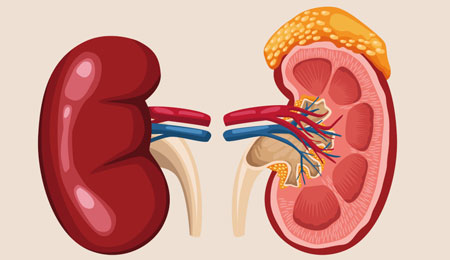
When Glomerulonephritis May Be Suspected
Glomerulonephritis can occur suddenly or develop over time. It may be suspected when patients experience certain symptoms or abnormal test results, such as:
- Blood in urine (hematuria): Pink, red, or brown-colored urine.
- Protein in urine (proteinuria): Foamy or frothy urine.
- Swelling: Especially in the legs, face, or around the eyes.
- High blood pressure: Often linked to reduced kidney function.
- Decreased kidney function: Elevated creatinine or urea levels.
How Glomerulonephritis Affects the Kidneys
When the glomeruli become inflamed, they lose their ability to filter blood efficiently. Depending on the cause and severity, this condition may lead to:
- Leakage of blood and protein: Into the urine due to damaged filters.
- Fluid retention: Causing swelling and weight gain.
- Rise in blood pressure: Due to impaired kidney function.
- Chronic kidney disease: If inflammation persists without treatment.
- Acute kidney injury: In severe, sudden-onset cases.
Treatment Approaches
The treatment for glomerulonephritis depends on its underlying cause, severity, and effect on kidney function. Our management plan may include:
- Medications to reduce inflammation: Steroids or immunosuppressive drugs.
- Blood pressure control: ACE inhibitors or ARBs to protect kidneys.
- Dietary guidance: Low-salt, low-protein diet as advised.
- Treating infections: If caused by bacterial or viral triggers.
- Managing complications: Such as swelling, anemia, or electrolyte imbalance.
Benefits of Early and Regular Treatment
Timely diagnosis and consistent care can significantly slow the progression of the disease and prevent long-term kidney damage. Patients may experience:
- Reduced inflammation and improved kidney function
- Better control of blood pressure and swelling
- Lower risk of kidney failure
- Improved quality of life with proper monitoring
- Prevention of complications through early care
When to Seek Medical Help
It is important to seek timely consultation if symptoms appear suddenly or worsen. Immediate help is advised if you notice:
- Blood in urine or sudden foamy urine
- Rapid swelling of the face or legs
- Uncontrolled high blood pressure
- Persistent fatigue or reduced urine output
- Shortness of breath or severe weakness
Glomerulonephritis can be effectively managed with early diagnosis, appropriate treatment, and regular follow-up. Our aim is to protect kidney function, reduce complications, and help patients maintain a healthier and more comfortable life through individualized, comprehensive care.
