Kidney Stones
Kidney stones are hard deposits formed inside the kidneys when minerals and salts accumulate in high amounts. We commonly see stones develop when patients do not drink enough water, consume a high-salt diet, or have metabolic or urinary tract conditions that affect the normal balance of minerals. These stones can vary in size—from tiny grains to large obstructive stones—and may cause significant pain when they move through the urinary tract.
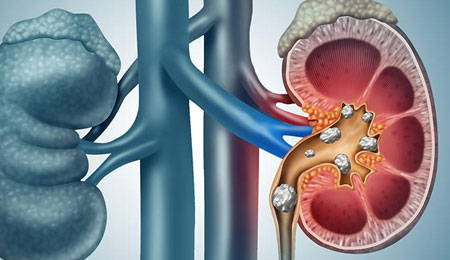
Timely evaluation is essential because untreated stones can block urine flow, cause infections, and lead to kidney damage. With proper diagnosis, hydration guidance, medication, and minimally invasive procedures when needed, stones can be managed effectively. Early assessment helps prevent complications and reduces the chances of stone recurrence.
Common Causes of Kidney Stones
- Low water intake – Not drinking enough fluids increases crystal formation.
- High-salt or high-protein diet – Affects mineral balance and stone formation.
- Family history – Genetic tendency increases the risk of developing stones.
- Recurrent urinary tract infections – Can lead to certain types of stones.
- Metabolic conditions – Such as high calcium, uric acid, or oxalate levels.
- Obesity – Alters urine composition, making stone formation more likely.
- Medications – Certain medicines may increase the risk of stones.
Symptoms Patients Should Watch For
Kidney stones can remain silent, but symptoms often appear when the stone moves:
- Severe pain in the back, side, or lower abdomen
- Pain that comes in waves
- Burning sensation while urinating
- Blood in the urine (pink, red, or brown urine)
- Frequent urge to urinate
- Nausea or vomiting
- Fever or chills, especially if infection is present
When Patients Should Seek Medical Advice
It is important to consult a specialist when:
- Pain becomes severe or persistent
- There is blood in the urine
- Symptoms suggest a urinary infection
- A stone is diagnosed on ultrasound or CT scan
- Stones recur frequently, requiring preventive evaluation
- Urination becomes difficult or completely blocked
