Prostate Related Problems
Prostate-related problems are common in men, especially as they age. The prostate gland surrounds the urethra, and when it becomes enlarged or inflamed, it can affect urine flow and lead to discomfort. Some common prostate conditions include Benign Prostatic Hyperplasia (BPH), Prostatitis, and rarely, Prostate Cancer. These conditions may cause urinary difficulty, frequent nighttime urination, lower abdominal discomfort, or weak urine stream. With proper evaluation and timely treatment, most prostate issues can be effectively managed and complications prevented. We aim to provide accurate diagnosis, comprehensive treatment, and ongoing support to help patients maintain good urinary and overall health.
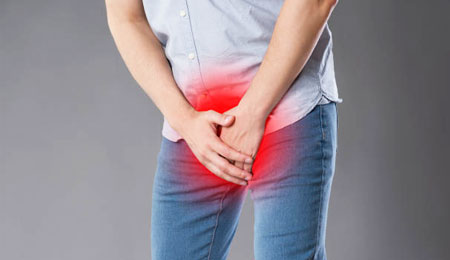
When Prostate Issues May Be Suspected
Prostate problems often begin gradually and may be suspected if a patient experiences any of the following symptoms:
- Frequent urination: Especially at night (nocturia).
- Weak urine flow: Slow or interrupted stream.
- Difficulty starting urination: Feeling the urge but unable to pass urine easily.
- Pelvic discomfort or pain: Common in prostatitis (inflammation of the prostate).
- Urgency and leakage: Sudden urge to urinate with occasional dribbling.
How Prostate Problems Affect the Urinary System
When the prostate enlarges or becomes inflamed, it presses against the urethra, narrowing the passage through which urine flows. This may lead to:
- Obstruction of urine flow: Causing weak stream or incomplete emptying.
- Increased bladder pressure: Leading to frequency and urgency.
- Urinary retention: In severe cases, not being able to urinate at all.
- Recurrent urinary tract infections: Due to poor bladder emptying.
- Kidney damage: Long-standing obstruction can affect kidney function.
Treatment Approaches
The treatment of prostate problems depends on the type of condition and severity of symptoms. Our management approach may include:
- Medications to relax prostate muscles: Improve urine flow and reduce symptoms.
- Drugs to reduce prostate size: Used in moderate to severe enlargement (BPH).
- Antibiotics: For treating prostatitis caused by infections.
- Lifestyle modifications: Fluid management, avoiding caffeine/alcohol.
- Surgical procedures: In cases of severe obstruction or persistent symptoms.
Benefits of Early and Regular Treatment
Early diagnosis and proper treatment can help prevent complications and improve daily comfort. Patients may benefit from:
- Improved urine flow and reduced strain while urinating
- Better bladder emptying and fewer nighttime trips to the bathroom
- Reduced risk of urinary retention and infections
- Preserved kidney health and overall well-being
- Better quality of life with effective, long-term management
When to Seek Medical Help
Timely evaluation is important when urinary symptoms appear or worsen. Seek medical care if you experience:
- Difficulty starting or maintaining urine flow
- Frequent nighttime urination affecting sleep
- Blood in urine or burning sensation
- Severe pelvic pain or fever
- Inability to pass urine (medical emergency)
Prostate-related problems are common but highly manageable with the right medical care. Through detailed evaluation, personalized treatment, and regular monitoring, we aim to help patients achieve better urinary control, prevent long-term complications, and maintain a healthy and comfortable life.
