Vascular Access for Hemodialysis
Vascular access is the lifeline for patients undergoing hemodialysis. It provides a safe and reliable pathway for blood to leave the body, get filtered through the dialysis machine, and return clean. Choosing the right access and maintaining it well ensures effective dialysis, fewer complications, and better long-term kidney care. Early planning and regular follow-up are essential to protect access function.
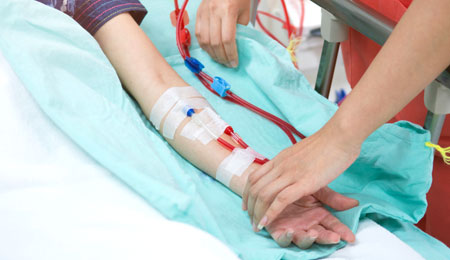
Types of Vascular Access
There are three major types of vascular access used in hemodialysis. Each one is selected based on the patient’s condition, vein quality, and urgency of treatment.
- Arteriovenous (AV) Fistula: The preferred access created by joining an artery and vein. It lasts long and has minimal infection risk.
- Arteriovenous (AV) Graft: A synthetic tube connecting artery and vein when natural veins are not suitable for fistula creation.
- Central Venous Catheter (CVC): A temporary access placed for urgent dialysis needs but has higher infection and clotting risks.
When Vascular Access May Be Needed
Access creation should be planned early in patients approaching kidney failure so that dialysis can begin smoothly when required.
- Advanced kidney disease: When kidney function drops below 15%.
- Immediate dialysis requirement: Catheters may be needed for emergency filtration.
- Long-term dialysis planning: Fistula or graft creation is preferred.
- Poor access flow or repeated issues: Suggests need for revision or a new access.
How Vascular Access Works
Each type of access supports high blood flow, which is essential for effective dialysis and toxin removal.
- AV Fistula: Natural and strong access that matures over weeks and works efficiently.
- AV Graft: Provides consistent blood flow even when veins are unsuitable.
- CVC: Used quickly but has higher chances of infection and blockage.
- Healthy access flow: Ensures proper clearance during dialysis.
- Routine monitoring: Helps detect narrowing, clotting, or infections early.
Care and Maintenance
Proper daily care protects the access, reduces complications, and ensures reliable dialysis sessions.
- Daily inspection: Check for redness, swelling, or pain.
- Feel for thrill: A vibration that shows the access is functioning.
- Avoid pressure: No blood pressure checks or IV lines on the access arm.
- Maintain hygiene: Keep the site clean to reduce infection risks.
- Regular hospital check-ups: To ensure proper flow and functioning.
Benefits of Proper Vascular Access
A well-maintained access improves dialysis quality, reduces hospital visits, and enhances patient comfort.
- Better dialysis efficiency
- Lower risk of infection and clotting
- Improved long-term outcomes on dialysis
- More stable and comfortable sessions
- Fewer complications and interventions
When to Seek Medical Advice
Immediate medical attention is needed if you notice any of the following warning signs:
- Sudden decrease or absence of thrill
- Redness, swelling, or tenderness at the access site
- Pus discharge or persistent bleeding
- Difficulty during dialysis due to low flow
- Fever, chills, or signs of infection
Vascular access is a crucial component of successful hemodialysis care. With timely planning, proper care, and regular monitoring, complications can be minimized, ensuring safe, effective, and long-lasting access for your ongoing treatment needs.
