Leakage of Protein in the Urine
Protein leakage in the urine, medically known as proteinuria, is one of the key indicators we rely on to assess early kidney health. In healthy kidneys, protein is retained in the bloodstream, while waste products are filtered out. When protein appears in the urine, it suggests that the kidney filters may be strained, inflamed, or damaged. This condition can occur due to diabetes, high blood pressure, infections, kidney inflammation, or even temporary causes such as stress, fever, or heavy exercise.
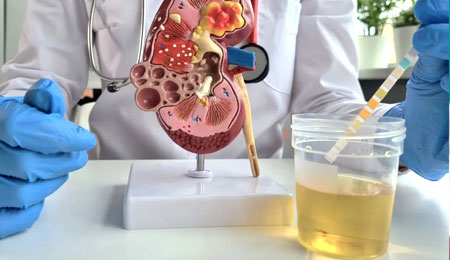
Proteinuria often develops silently, without noticeable symptoms at first. That is why timely evaluation becomes crucial. With proper testing, regular follow-up, and a structured management plan, the underlying cause can be identified, and kidney function can be preserved effectively. Early intervention helps prevent progression to more advanced kidney disorders.
Common Causes of Protein Leakage in the Urine
- Diabetes – High blood sugar gradually damages kidney filters, leading to protein loss.
- High blood pressure – Long-term uncontrolled BP affects the small blood vessels in the kidneys.
- Kidney inflammation (glomerulonephritis) – Causes leakage of protein due to inflamed filters.
- Urinary tract infections – May temporarily increase protein in urine.
- Obstructive conditions – Stones or prostate issues can stress the kidneys.
- Medications – Certain drugs may affect kidney function and filtration.
- Heavy exercise or fever – Can cause temporary, non-worrisome proteinuria.
- Chronic kidney disease – Leads to persistent protein loss over time.
Symptoms Patients Should Look Out For
Although many people feel completely normal, the following symptoms may accompany protein leakage:
- Swelling in the feet, legs, or around the eyes
- Foamy or frothy urine
- Increased fatigue or weakness
- Decreased urine output in some cases
- Loss of appetite or nausea
- Persistent high blood pressure
When Patients Should Seek Medical Advice
It is important to consult a specialist when:
- A urine test shows protein leakage
- There is a history of diabetes or hypertension
- Foamy urine or new swelling develops
- There are repeated urinary infections or kidney stones
- A family history of kidney disease is present
