Electrolyte Abnormalities
Electrolyte abnormalities occur when essential minerals such as sodium, potassium, calcium, magnesium, chloride, and bicarbonate become too high or too low in the blood. These imbalances can affect nerve function, muscle activity, heart rhythm, and overall health. Early detection and proper medical evaluation are crucial, as timely treatment helps prevent serious complications and restores the body’s natural balance.
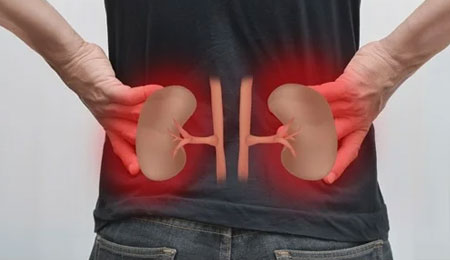
Common Symptoms of Electrolyte Imbalance
Symptoms vary depending on the specific electrolyte affected. Patients should be aware of the following warning signs:
- Fatigue or weakness: One of the earliest indicators of imbalance.
- Muscle cramps or spasms: Especially in potassium or calcium disturbances.
- Irregular heartbeat: A serious sign in potassium and magnesium issues.
- Confusion or irritability: Often linked with sodium abnormalities.
- Nausea or vomiting: Can occur with multiple electrolyte shifts.
- Seizures: Severe abnormalities may trigger sudden neurological symptoms.
Possible Causes of Electrolyte Abnormalities
Electrolyte disturbances often indicate an underlying medical condition that requires attention.
- Kidney disease: Impairs regulation of minerals and acids.
- Severe dehydration: Due to vomiting, diarrhea, or poor intake.
- Medications: Diuretics, antihypertensives, or certain antibiotics.
- Hormonal disorders: Such as adrenal or parathyroid dysfunction.
- Uncontrolled diabetes: Causes major shifts in sodium and potassium.
- Chronic illness or infections: Affect body fluid and mineral balance.
Diagnostic Evaluation
A detailed clinical assessment helps identify the type and severity of imbalance and its underlying cause.
- Blood tests: Measure sodium, potassium, calcium, magnesium, and bicarbonate levels.
- Kidney function tests: To assess filtration and fluid regulation.
- ECG: Detects arrhythmias caused by potassium or magnesium issues.
- Urine tests: Evaluate mineral loss or retention problems.
- Hormonal evaluation: When endocrine issues are suspected.
Treatment of Electrolyte Abnormalities
Management depends on the specific imbalance and its underlying cause. The goal is to restore normal levels safely and prevent complications.
- Oral or IV supplements: For low potassium, magnesium, or calcium.
- Fluid replacement: To correct dehydration or sodium shifts.
- Medication adjustment: Reviewing diuretics or other contributing drugs.
- Insulin therapy: For potassium imbalance linked to diabetes.
- Dialysis: In severe cases or advanced kidney failure.
- Monitoring: Regular checks to prevent recurrence.
Why Expert Evaluation Matters
Accurate diagnosis and timely treatment ensure safe correction and long-term stability.
- Prevents life-threatening complications
- Improves heart and nerve function
- Reduces hospitalizations
- Helps manage chronic kidney or medical conditions better
- Enhances overall well-being and recovery
When to Seek Immediate Medical Attention
Contact a specialist immediately if you notice:
- Severe muscle weakness or paralysis
- Abnormal heartbeat or palpitations
- Confusion, drowsiness, or seizures
- Persistent vomiting or diarrhea
- Sudden swelling or shortness of breath
Electrolyte abnormalities can become serious if left untreated. With timely evaluation, accurate diagnosis, and appropriate management, patients can achieve quick recovery and maintain stable health under guided care.
