Onco Nephrology (Cancer & Kidney)
Onco-nephrology is a specialized area of kidney care that focuses on identifying and managing kidney-related problems in patients with cancer. Cancer itself, as well as treatments like chemotherapy, immunotherapy, radiation, and targeted medicines, can affect how the kidneys function. Some patients may develop changes in creatinine levels, electrolyte imbalances, swelling, or reduced urine output during their cancer journey. Our goal is to detect these issues early, protect kidney health, and help ensure cancer treatment continues safely and effectively.
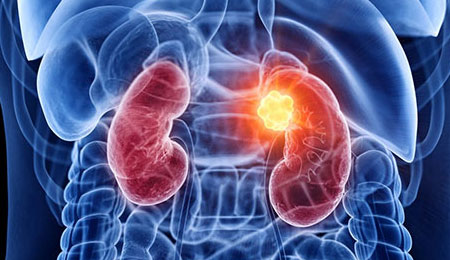
Through timely monitoring, detailed evaluation, and personalized care plans, we work to preserve kidney function while coordinating closely with oncology teams. This approach reduces complications, prevents treatment delays, and supports better outcomes for patients undergoing cancer therapies.
Common Kidney Issues in Cancer Patients
- Kidney injury from chemotherapy – Some cancer medicines can affect kidney filters or tubules.
- Electrolyte imbalances – Abnormalities in sodium, potassium, calcium, or phosphorus levels.
- Tumor Lysis Syndrome (TLS) – Rapid breakdown of cancer cells leading to sudden kidney strain.
- Obstruction of urine flow – Tumors in the bladder, prostate, or pelvis can block urinary pathways.
- Dehydration – Often seen in patients undergoing chemotherapy or radiation.
- Protein leakage in urine – Caused by certain targeted therapies or immunotherapies.
- Pre-existing kidney disease – Cancer treatment may worsen existing kidney problems.
Symptoms Patients Should Watch For
Patients undergoing cancer treatment should be alert to the following warning signs:
- Reduced or foamy urine
- Swelling of the feet, face, or hands
- Nausea, vomiting, or loss of appetite
- Unexplained fatigue or weakness
- Muscle cramps due to electrolyte changes
- Sudden weight gain or difficulty breathing
When Patients Should Seek Medical Advice
It is important to consult a specialist when:
- Kidney function tests show rising creatinine
- Swelling or urinary changes develop during treatment
- Electrolyte reports are frequently abnormal
- Cancer therapy needs modification due to kidney issues
- There is a risk of Tumor Lysis Syndrome
- The patient has pre-existing kidney disease before starting cancer therapy
