Increase in Serum Creatinine
Serum creatinine is one of the most important markers we use to assess kidney health. When the kidneys are functioning normally, they filter creatinine from the blood and remove it through urine. An increase in serum creatinine often indicates that the kidneys are under stress or not filtering efficiently. This rise may occur due to dehydration, infections, medication effects, uncontrolled diabetes or hypertension, urinary obstruction, or chronic kidney disease.
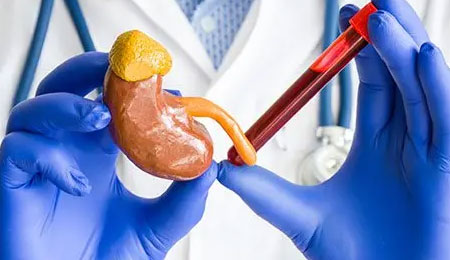
Because creatinine levels can increase silently, without obvious symptoms, timely evaluation becomes essential. By identifying the underlying cause early, we can take the right steps to protect kidney function and prevent further damage. With appropriate testing, regular monitoring, and a structured treatment plan, creatinine levels can often be brought under control effectively.
What Causes an Increase in Serum Creatinine?
- Dehydration – Not drinking enough fluids may temporarily raise creatinine levels.
- High blood pressure – Poorly controlled BP slowly damages the kidney’s filtration system.
- Diabetes – Inadequate sugar control leads to progressive kidney injury.
- Kidney infections – Acute infections reduce kidney efficiency.
- Urinary obstruction – Stones, prostate issues, or structural blockage affect filtration.
- Medications – Certain painkillers and antibiotics may impact kidney function.
- Chronic kidney disease (CKD) – Long-term damage causes a gradual rise in levels.
- High-protein diet or muscle injury – May temporarily influence creatinine results.
Symptoms Patients Should Watch For
Even though many individuals feel no early symptoms, rising creatinine may be associated with:
- Swelling in legs, feet, or around the eyes
- Fatigue or reduced energy
- Decreased urine output
- Foamy urine due to protein leakage
- Nausea, vomiting, or loss of appetite
- Persistent high blood pressure
- Breathlessness in more advanced cases
When Patients Should Seek Help
It is important to consult a specialist when:
- Blood reports show elevated creatinine
- There is long-standing diabetes or hypertension
- Symptoms like swelling, foamy urine, or reduced urine output occur
- There are recurrent stones or urinary infections
- Family history suggests a risk of kidney disease
