Peritoneal Dialysis
Peritoneal Dialysis (PD) is an effective home-based dialysis treatment in which the body’s own peritoneal membrane is used to filter waste and extra fluid. It offers patients greater flexibility, independence, and comfort as it can be performed at home, at work, or even while traveling. PD is a safe and reliable alternative to hemodialysis, especially for patients who prefer a more convenient and continuous form of dialysis. Our goal is to ensure patients receive personalized care, proper training, and ongoing support to manage PD safely and confidently.
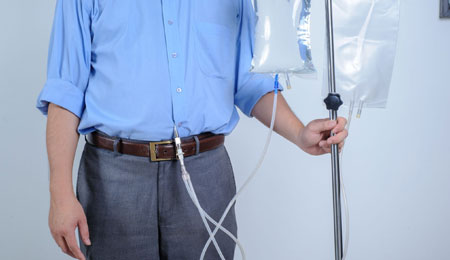
Why Peritoneal Dialysis May Be Recommended
PD is suitable for many patients with advanced kidney disease and offers several advantages depending on their medical condition and lifestyle. It is often recommended when:
- Chronic Kidney Disease (CKD) Stage 5: Kidneys are functioning at severely reduced levels.
- Patient prefers home-based dialysis: Allows flexibility and independence.
- Heart conditions prevent hemodialysis: PD is gentler and more continuous.
- Difficult vascular access: When creating an AV fistula or graft is challenging.
- Children or elderly patients: PD is often better tolerated.
How Peritoneal Dialysis Works
In PD, a soft catheter is placed in the abdomen. A special dialysis fluid is introduced into the abdominal cavity, where it absorbs toxins and excess fluid through the peritoneal membrane. After a set dwell time, the fluid is drained and replaced with fresh solution. This process can be done:
- Continuous Ambulatory Peritoneal Dialysis (CAPD): Manual exchanges performed 3–4 times a day.
- Automated Peritoneal Dialysis (APD): A machine performs exchanges at night while the patient sleeps.
Benefits Patients May Experience
Peritoneal Dialysis offers multiple advantages that improve daily living and overall comfort:
- Greater freedom to work, travel, and maintain routine lifestyle
- Gentle and continuous removal of waste and fluids
- No needles or blood handling during treatment
- Better preservation of remaining kidney function
- More stable blood pressure and fewer dietary restrictions
Preparing for Peritoneal Dialysis
Before starting PD, a small surgical procedure is performed to place a peritoneal dialysis catheter in the abdomen. Following this, patients undergo comprehensive training on:
- How to perform exchanges safely
- Maintaining cleanliness and preventing infection
- Recognizing early warning signs of complications
- Proper storage and handling of dialysis supplies
- Adjusting dialysis schedules based on daily activities
Possible Complications & When to Seek Help
While PD is safe, it is essential to identify warning signs early. Contact your dialysis team immediately if you notice:
- Cloudy dialysis fluid or abdominal pain — possible peritonitis
- Redness or discharge around the catheter site
- Unusual swelling of the abdomen or hernia
- Breathing difficulty due to fluid overload
- Nausea, vomiting, or persistent fever
Peritoneal Dialysis offers a safe, flexible, and patient-friendly approach to managing kidney failure. With the right technique, monitoring, and ongoing support, we aim to help patients lead a more comfortable and independent life while maintaining effective dialysis care.
