Hypertension
Hypertension, commonly known as high blood pressure, is a condition where the force of blood against the artery walls remains consistently high. It is one of the most common lifestyle-related conditions and a major risk factor for heart disease, stroke, and kidney damage. Many people may not notice symptoms for years, which is why hypertension is often called the “silent killer.” With early diagnosis, proper management, and regular monitoring, blood pressure can be effectively controlled to prevent long-term complications. Our approach focuses on comprehensive evaluation, personalized treatment plans, and long-term care to ensure optimal cardiovascular and kidney health.
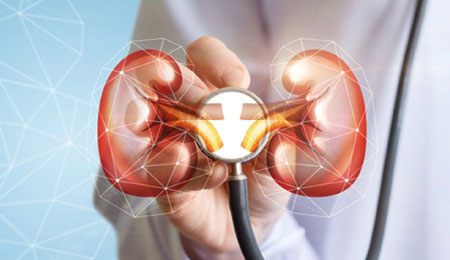
When Hypertension May Be Suspected
Hypertension frequently develops without obvious symptoms, but certain signs and situations may indicate elevated blood pressure:
- Frequent headaches: Especially in the morning or back of the head.
- Dizziness or blurred vision: Due to reduced blood flow to the brain or eyes.
- Shortness of breath: Caused by strain on the heart.
- Nosebleeds: Occasional episodes in severe hypertension.
- Fatigue and irritability: Linked to uncontrolled blood pressure.
- Family history of hypertension: Increases the risk of developing high BP.
How Hypertension Affects the Body
When blood pressure remains high for a long time, it can cause damage to important organs. Key effects include:
- Heart strain: Leading to heart enlargement, heart failure, or heart attack.
- Kidney damage: High pressure damages the kidney’s filtering units.
- Blood vessel damage: Hardening or narrowing of arteries (atherosclerosis).
- Stroke risk: Due to weakened or blocked blood vessels in the brain.
- Vision problems: Damage to blood vessels in the retina.
Treatment Approaches
Managing hypertension requires a combination of lifestyle changes, medications, and regular monitoring. Our treatment approach includes:
- Medications: Tailored to control blood pressure and protect the heart and kidneys.
- Lifestyle modifications: Low-salt diet, regular exercise, weight control, and stress reduction.
- Blood pressure monitoring: Regular home BP checks or clinic visits.
- Managing contributing conditions: Such as diabetes, high cholesterol, or thyroid issues.
- Reviewing medications: Ensuring no drugs are raising blood pressure unintentionally.
Benefits of Early and Consistent Management
Hypertension is highly manageable with the right care. Early and sustained treatment offers many benefits:
- Reduced risk of heart attack and stroke
- Protection of kidney function and prevention of kidney disease
- Improved energy levels and overall well-being
- Better control of associated conditions like diabetes
- Long-term prevention of major health complications
When to Seek Medical Help
Patients should seek medical evaluation if they notice symptoms or have risk factors for high blood pressure. Immediate attention is necessary if you experience:
- Severe headache or vision changes
- Chest pain or breathlessness
- Recurrent episodes of dizziness or fainting
- Very high home BP readings (above 160/100 mmHg)
- Swelling in legs, reduced urination, or abnormal kidney reports
Hypertension is a long-term condition, but with timely diagnosis, personalized treatment, and proper lifestyle care, it can be effectively controlled. Our goal is to help you achieve stable blood pressure, prevent complications, and maintain a healthy and active life.
